FRAGILE!!
HANDLE WITH CARE
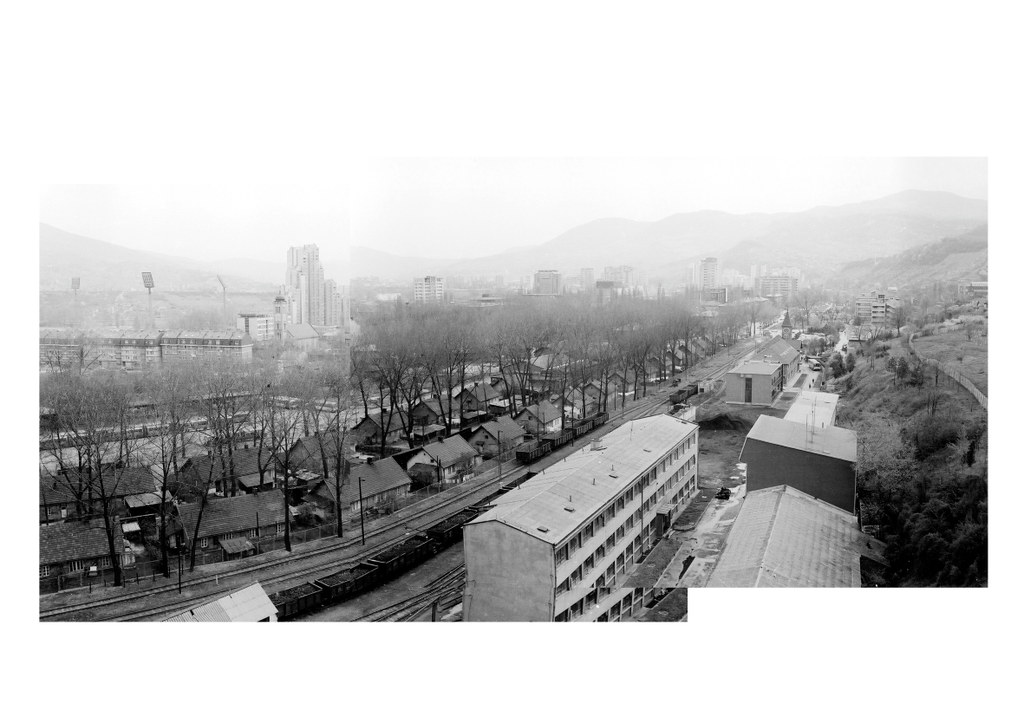
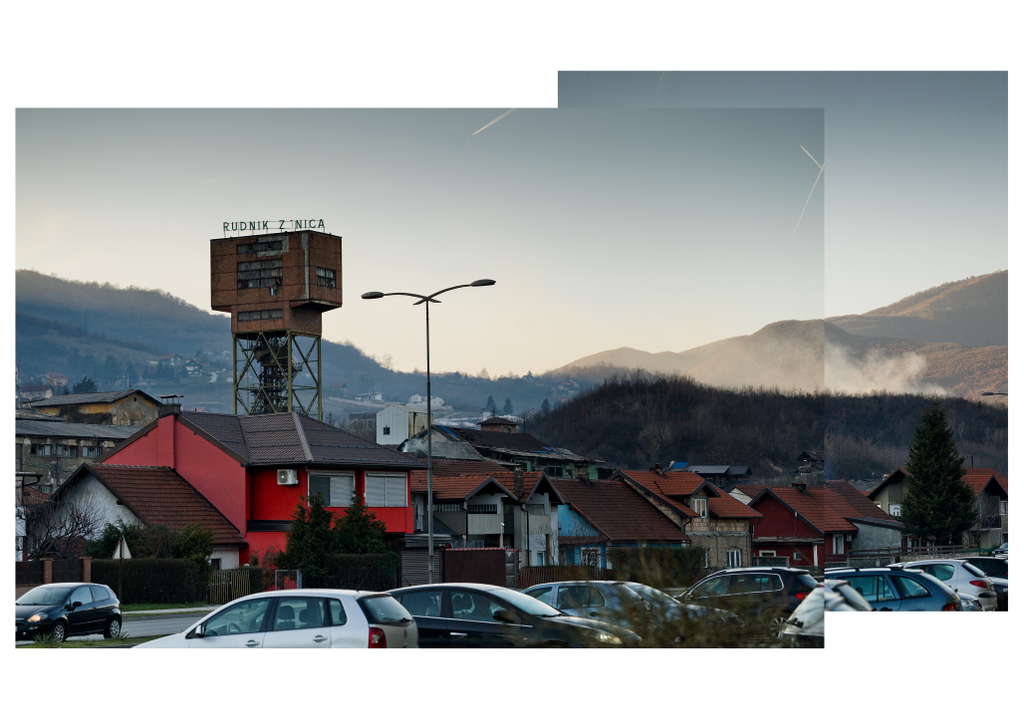
Recently, Zenica shut down its last coal mine, fifty years after the coal mines in the Dutch city of Heerlen closed. Zenica is where Heerlen once was: on the brink of great change.
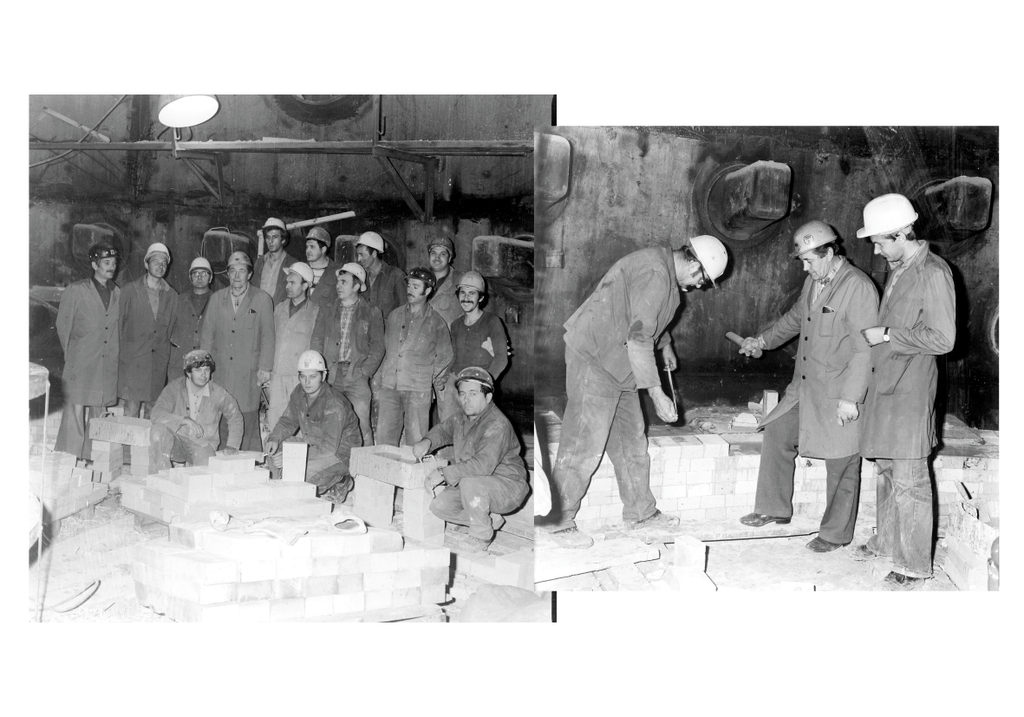
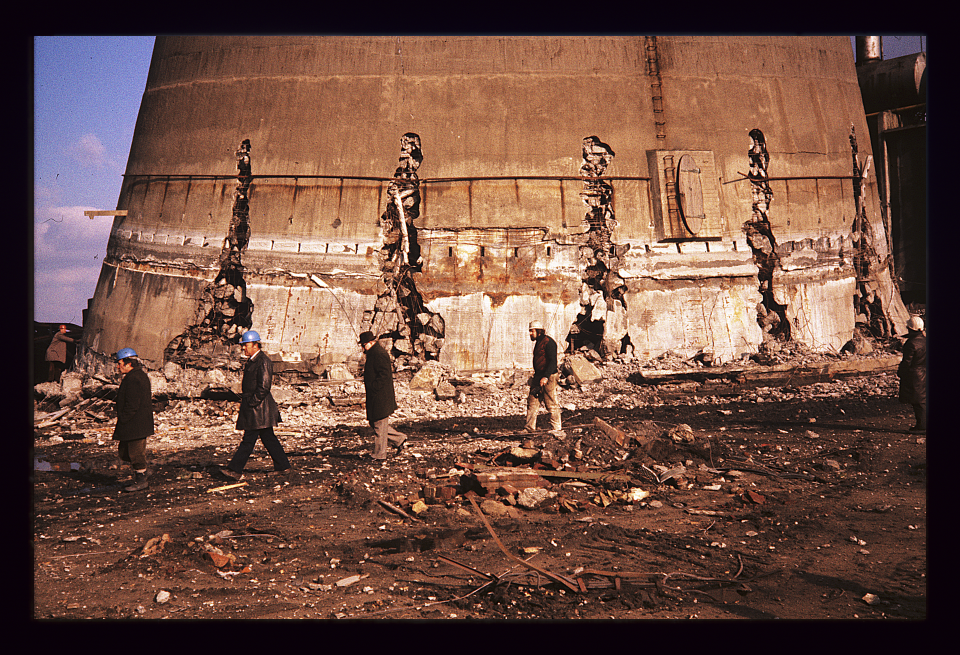
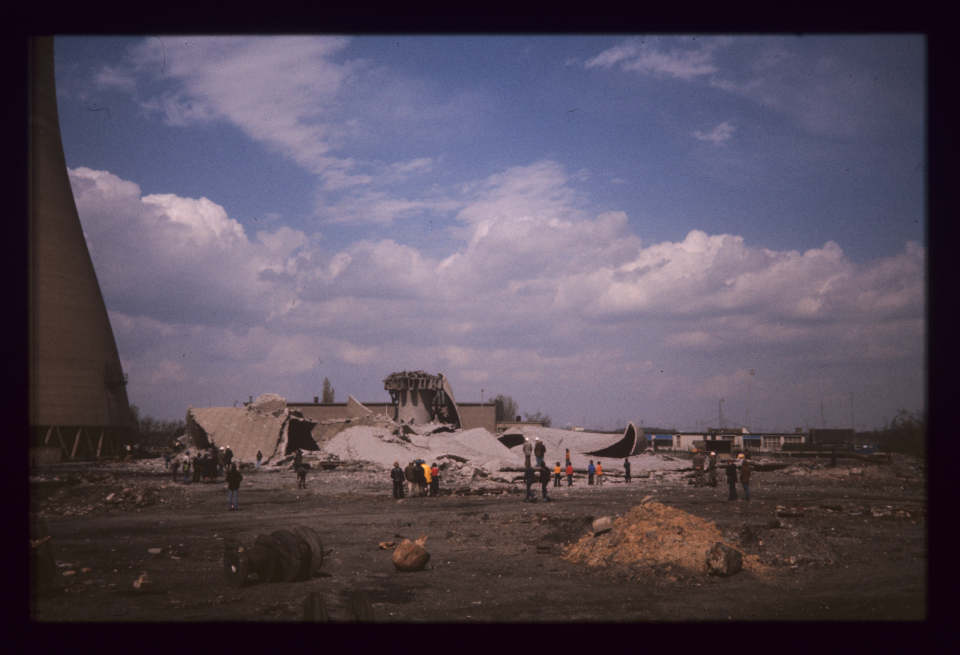
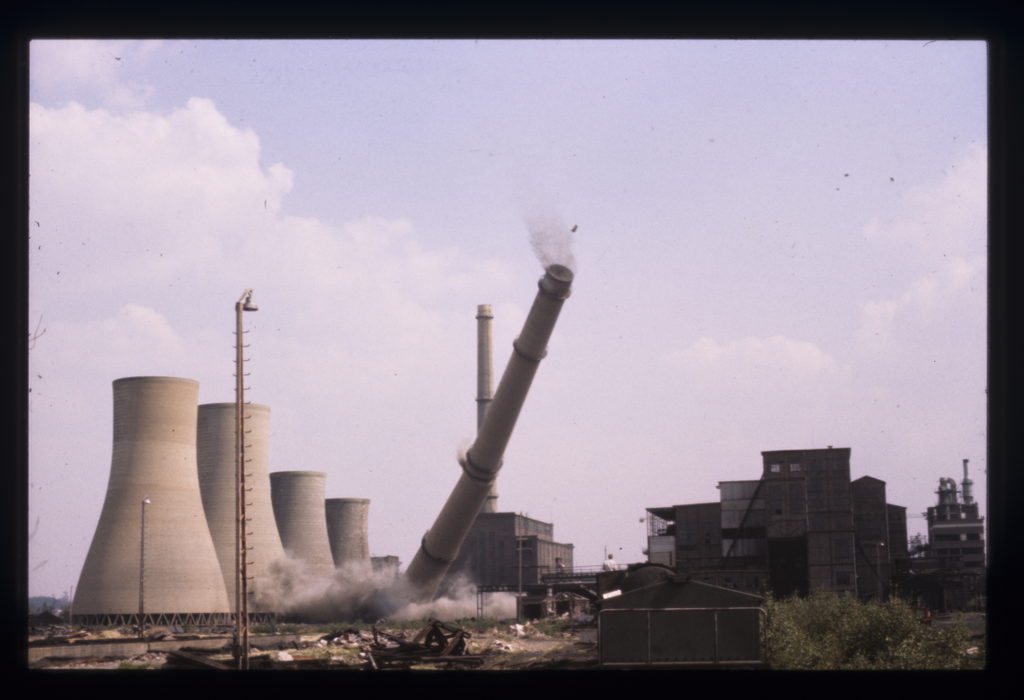
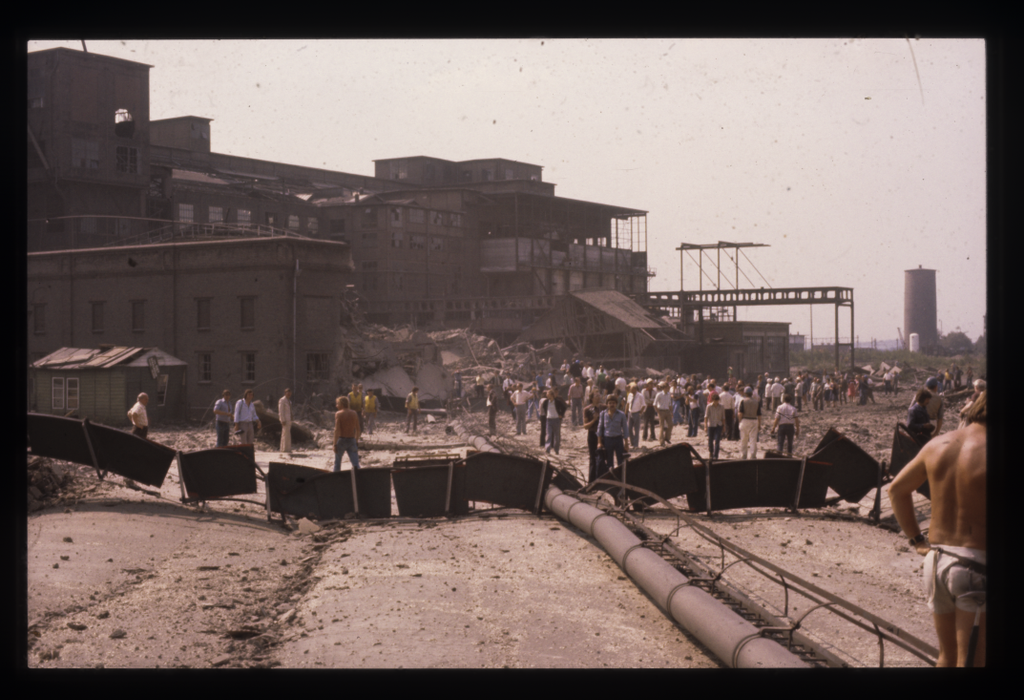
The Dutch approach towards mining heritage has been described as the Delirious Destruction: the national government supplied excess money, which led to a hasty destruction of almost all future heritage. Within a decade, almost all mine shafts, factory structures and chimneys were lost, leaving behind a disoriented city searching for a reason to exist. Meanwhile, Germany and Belgium repurposed old industrial buildings into museums, educational institutions, movie theaters and restaurants. Because of the contrast, the loss was more difficult to endure.
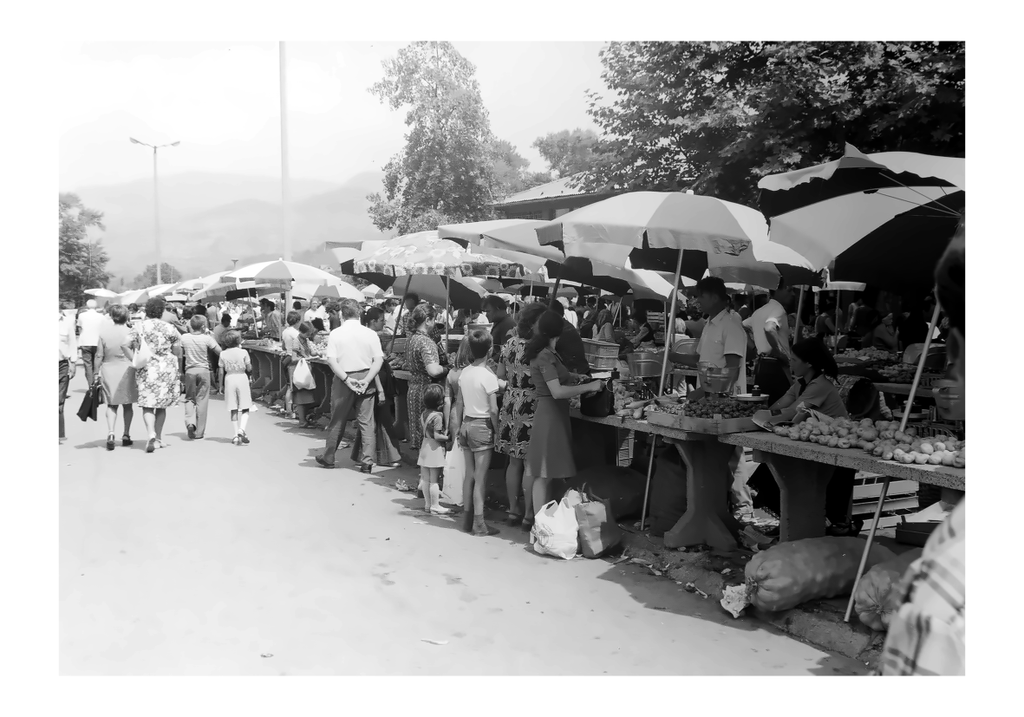
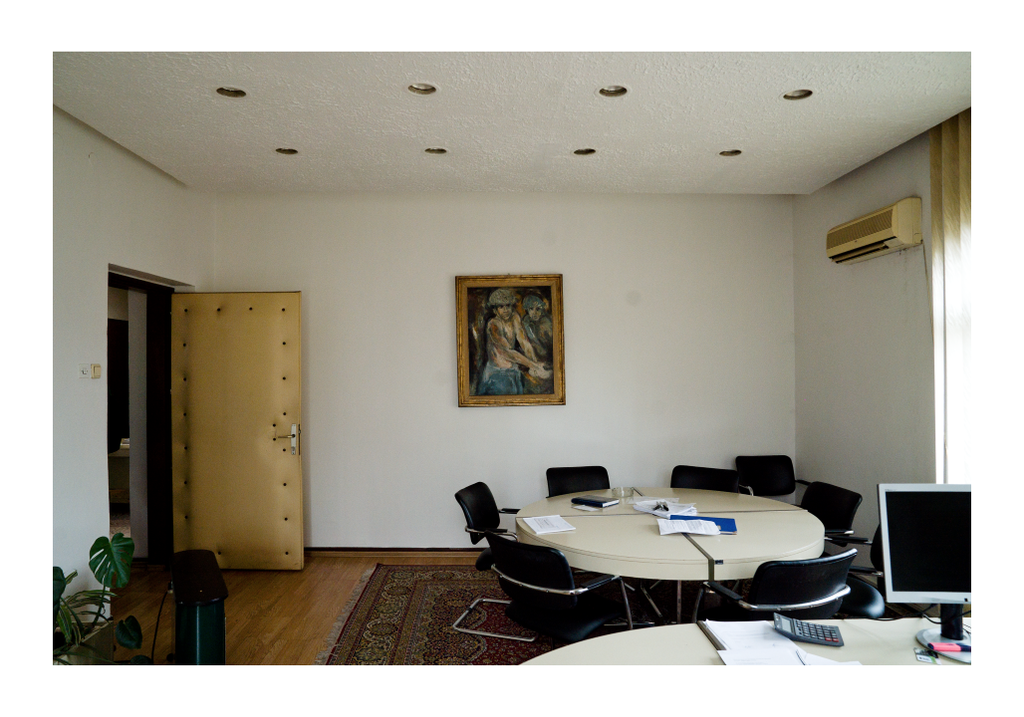
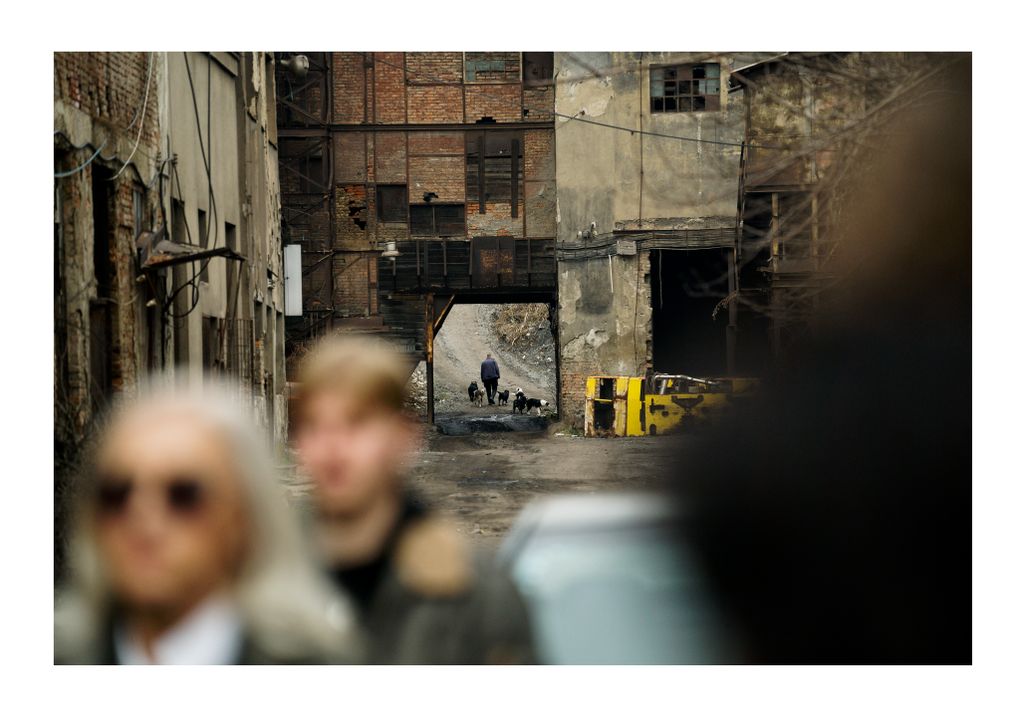
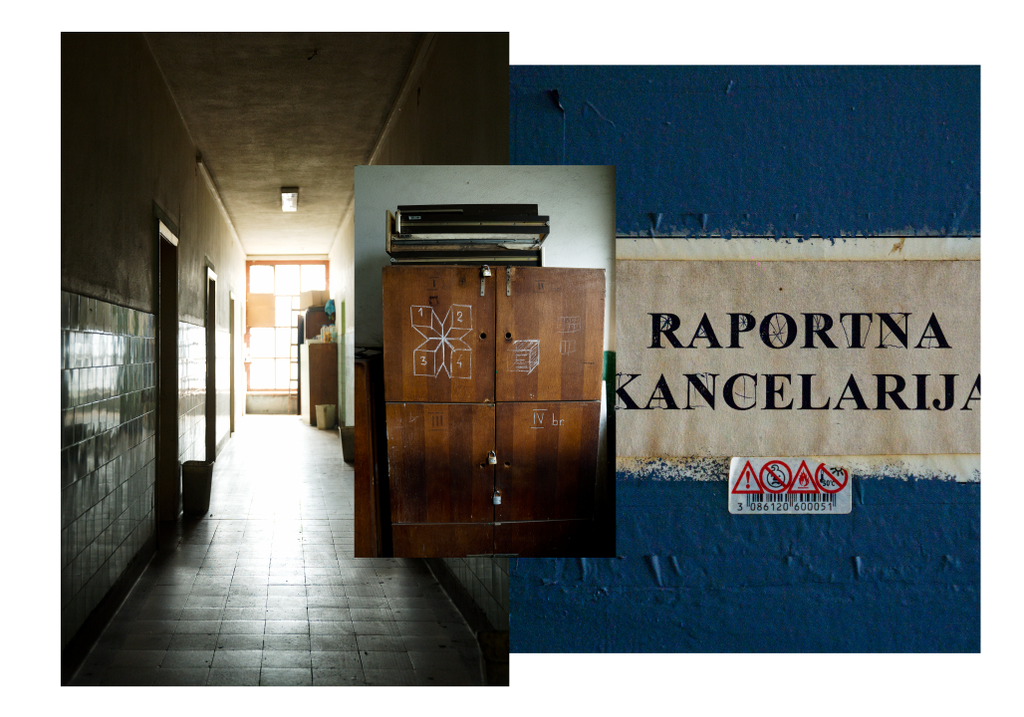
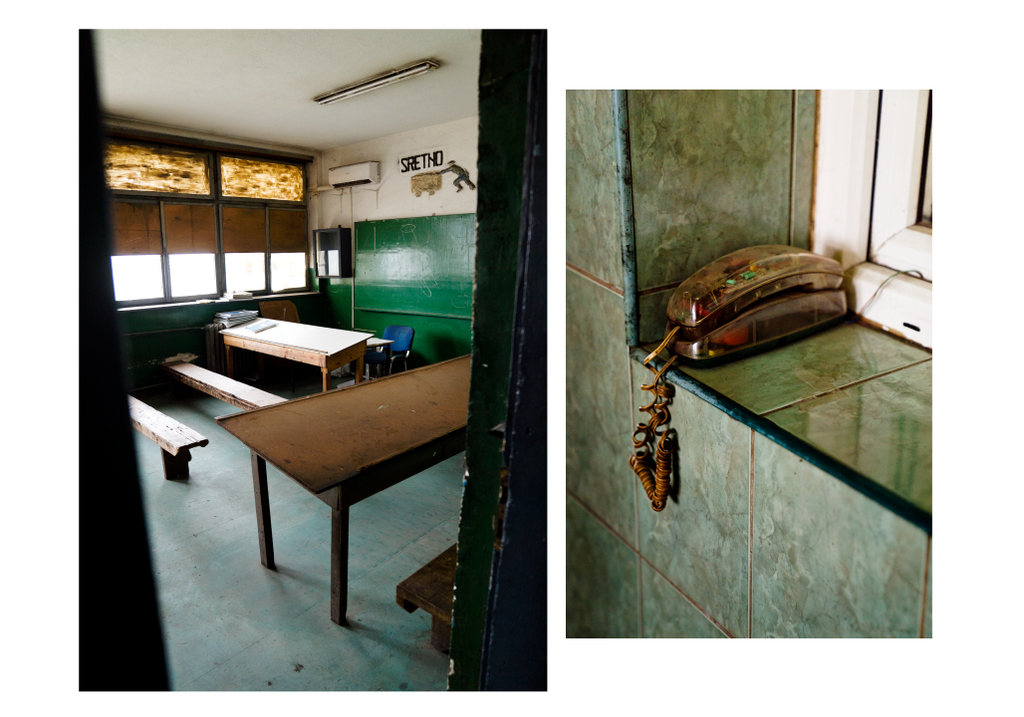
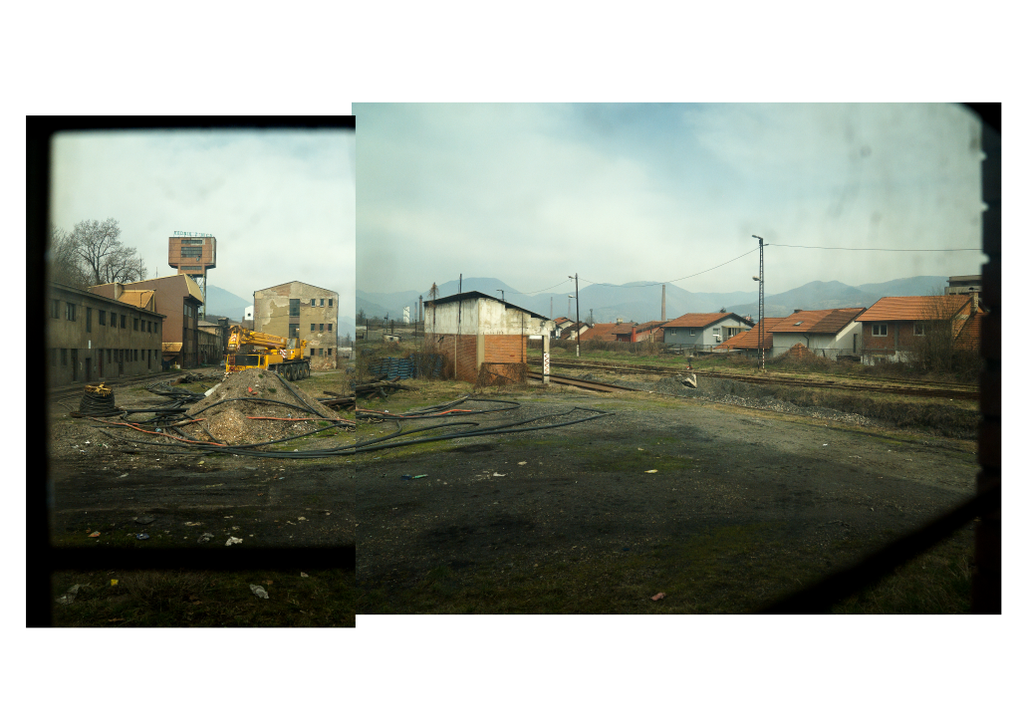
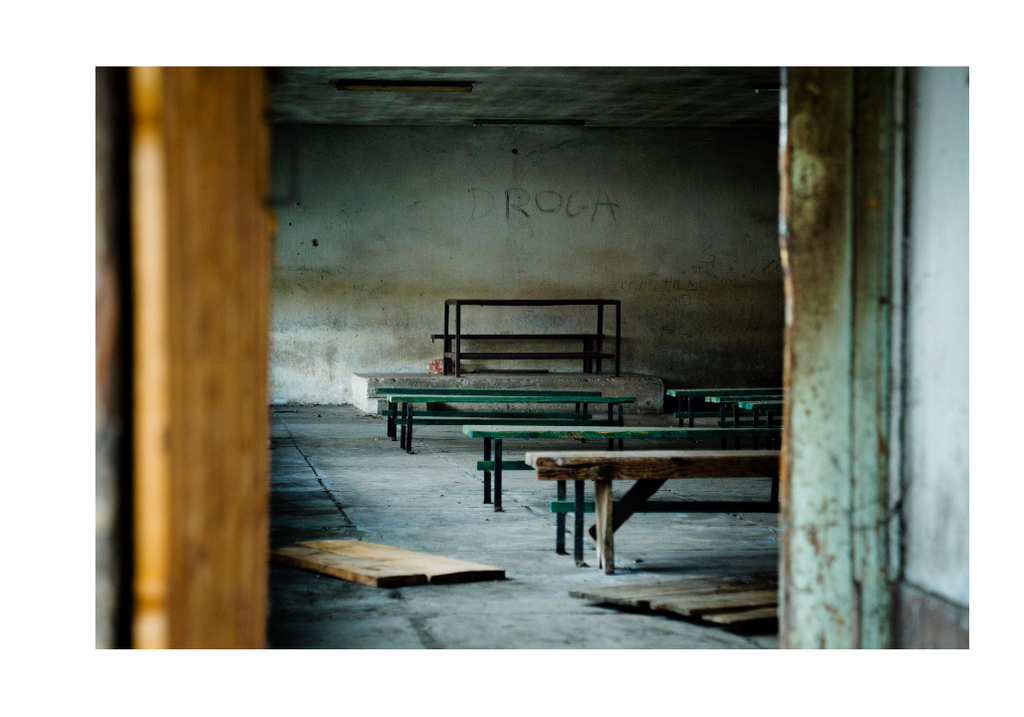
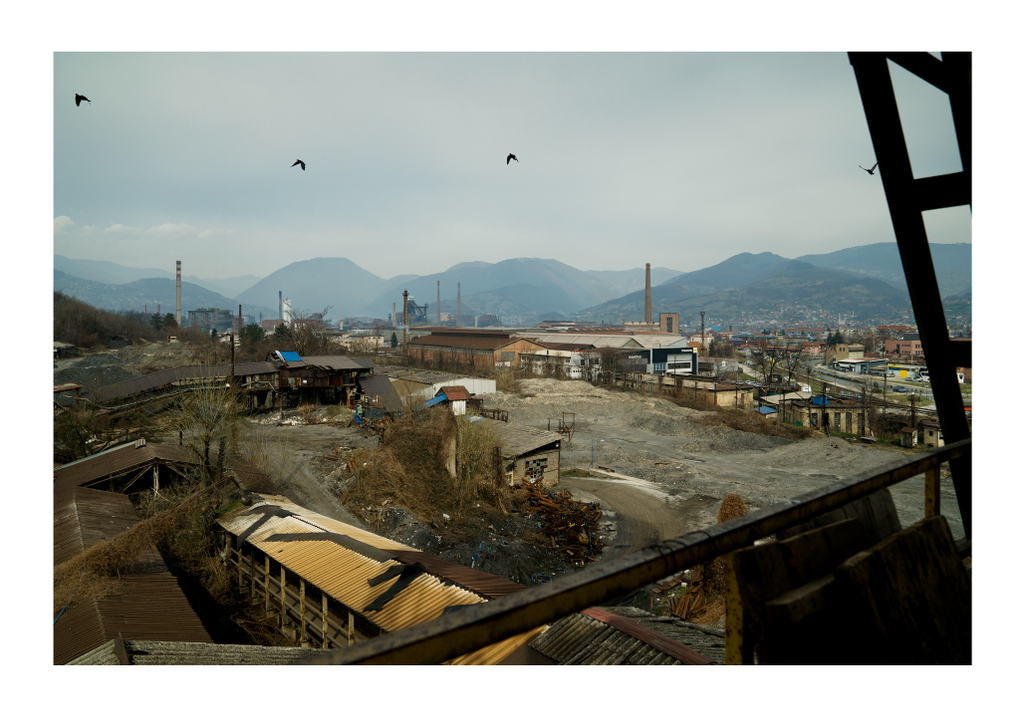
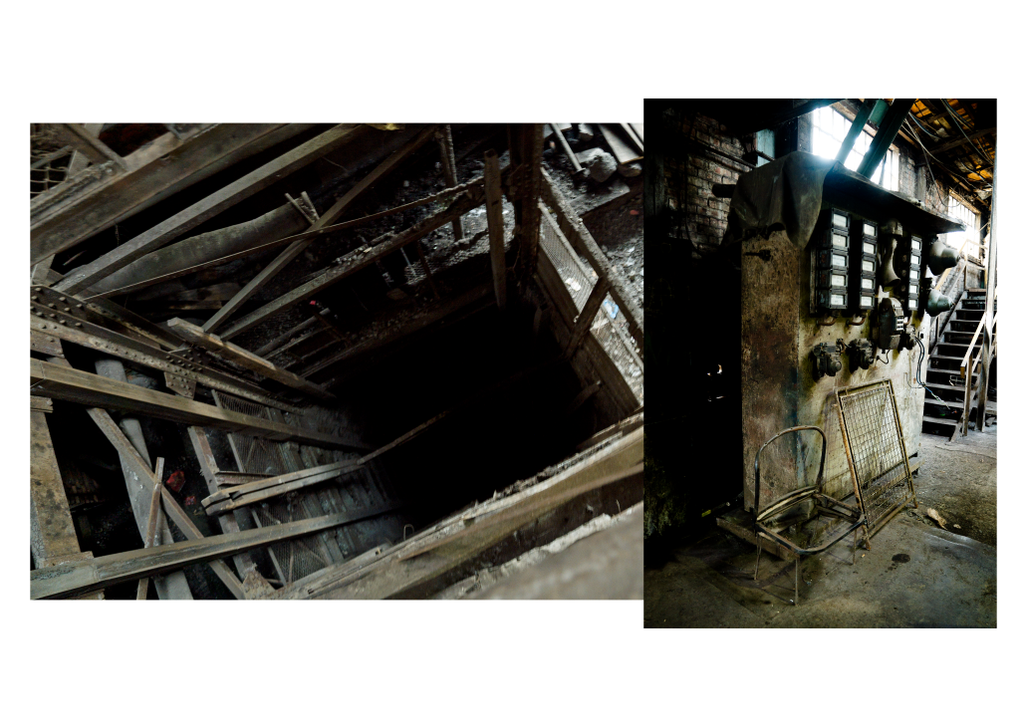
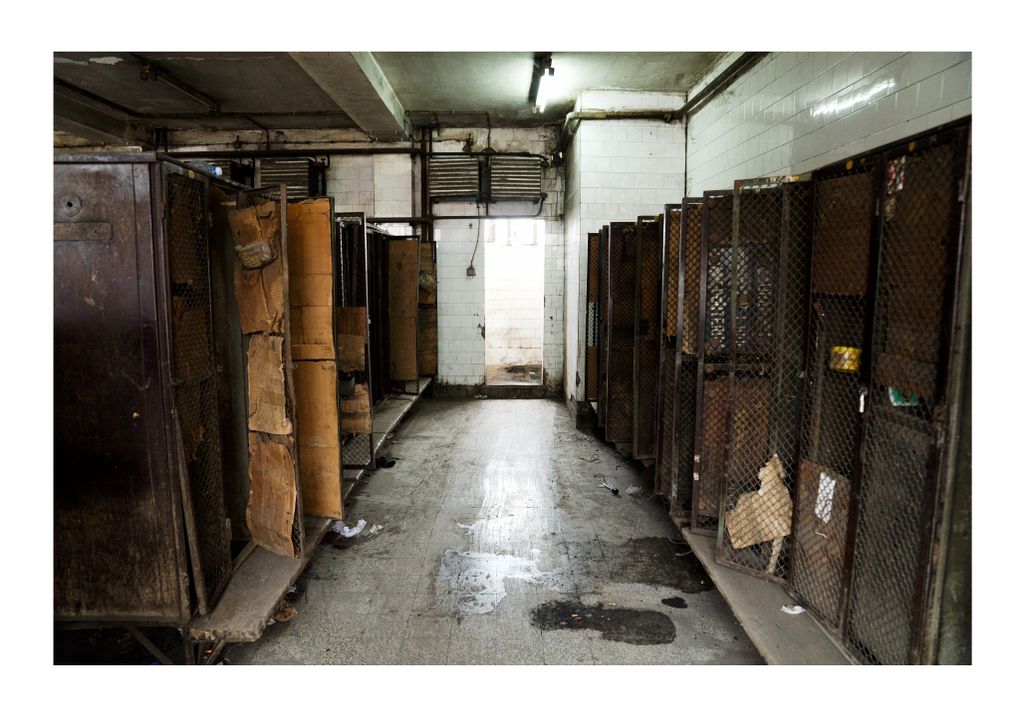
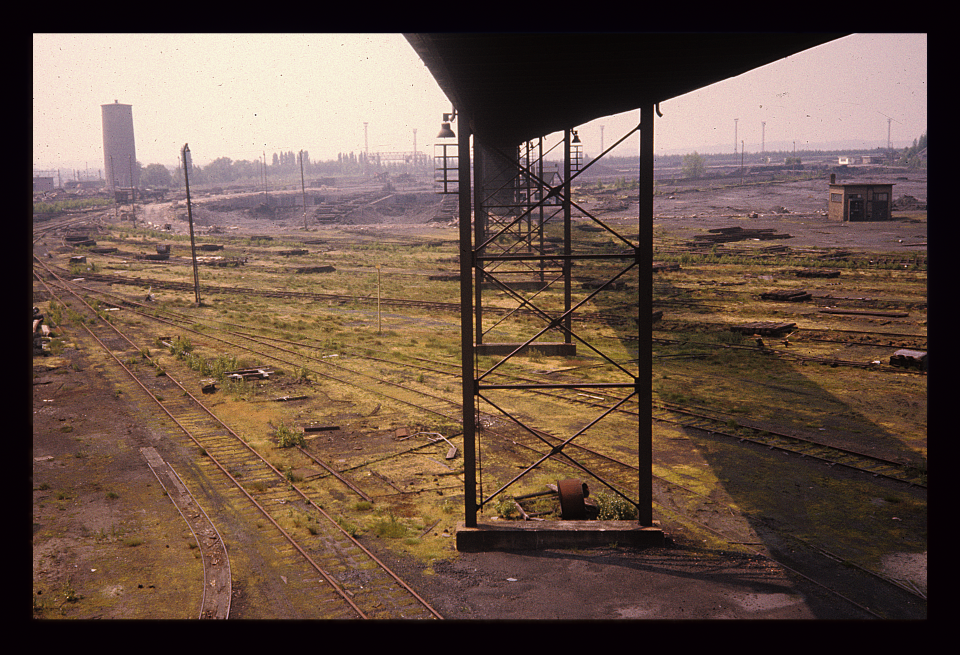
The exhibition FRAGILE! HANDLE WITH CARE features photographs from both Heerlen and Zenica. Despite their apparent differences, these two cities grapple with the same challenge: how to build a sustainable future one the industries have disappeared? For over fifty years, Heerlen has faced difficulties with this, and Zenica is only now realizing how immense the challenge is. How it deals with its industrial legacy will determine its future.
Will Zenica be able to escape the Delirious Destruction?
About authors:
Maurice J. Hermans (Kerkrade, 1974) is a Dutch artist whose work transcends traditional boundaries. He explores themes of transition, memory, and the hidden layers of places — whether through visual art, sound, or research. While some of his projects focus on urban trauma and the complexities of shrinking cities, his practice is driven by a deep fascination for the margins: the spaces, sounds, and stories that exist just beyond plain sight.
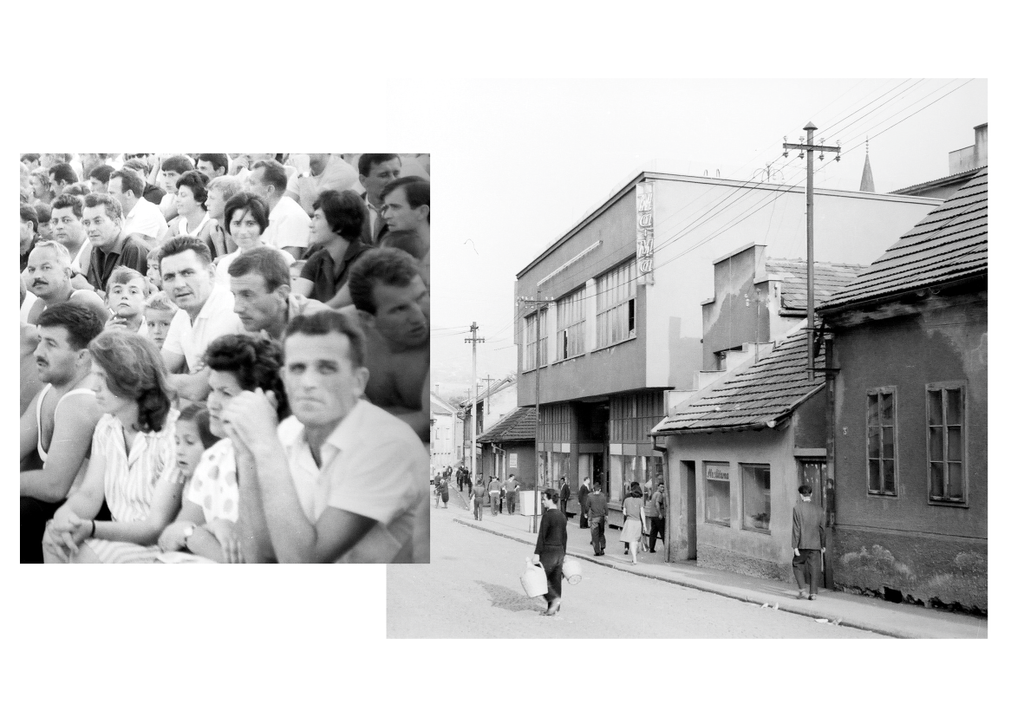
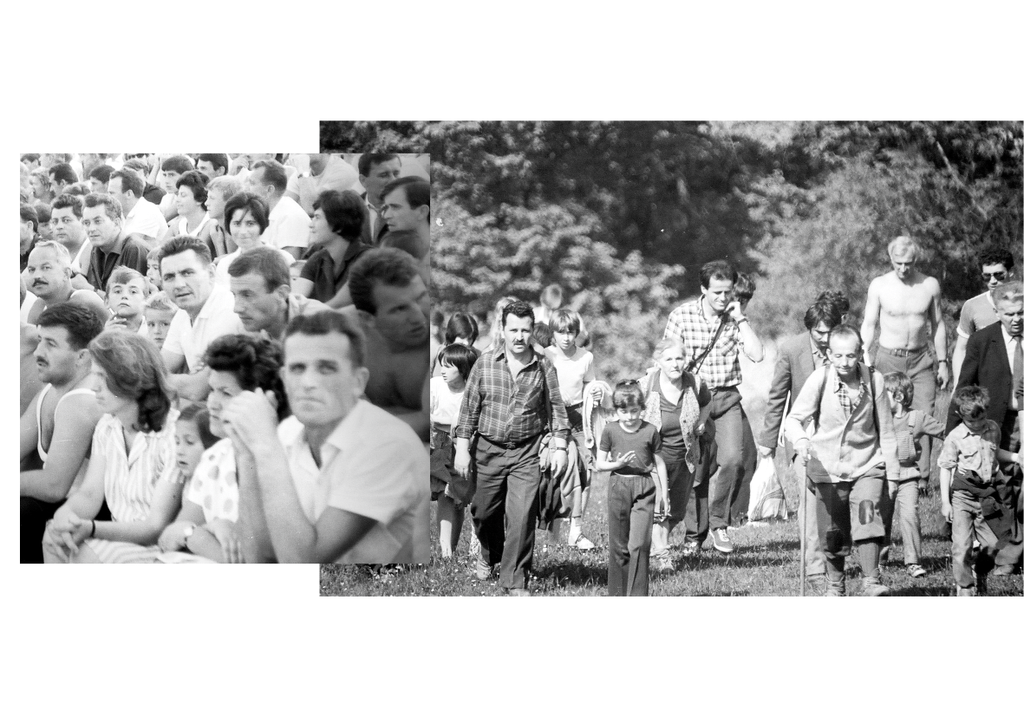
Hakija Lemeš (Visoko, 1940 – Zenica, 2009) was a photojournalist whose photographs documented the transformation and urban development of Zenica. He began his career as a photographer for the Vatrostalna company and later worked as a reporter for the local newspaper Naša riječ. He retired in 1997, at a time when traditional photographic technology was giving way to digital photography, marking the end of an era that had lasted for nearly 170 years.
Today, his photographs provide a valuable visual record of a changing city and of an era in which Zenica grew into one of the major industrial centers of the former Yugoslavia. His work captured the city’s physical transformation, but also the people, streets, buildings, and everyday life that shaped its identity.
Perry Schrijvers (Heerlen, 1966) is not a photographer. Nor does he aspire to be one. He is a drifter, long and widely arrived in a life after death. He makes images, that much is true, hounded by his own demons. They forbid him to fake it, to posture, or to follow the well-trodden paths; you can find Schrijvers himself in every photograph he takes. Observe and point him out.
Jan Wismans (1916–2013) was a Dutch engineer who spent his entire working life at the Oranje-Nassau mines in Heerlen. From 1974 to 1978, he served as a supervisor of the destruction of the mine's physical structures — including the two chimneys that dominated the Heerlen skyline, known as Lange Jan and Lange Lies.
An avid amateur photographer, Wismans documented the demolition of the Oranje-Nassau I mine on a near-weekly basis between April 1975 and August 1978. His photographs form the visual record of the systematic erasure of nearly all future industrial heritage of the Dutch coal mines.
This exhibition was kindly supported by the University of Zenica, the Dutch Embassy in Bosnia and Herzegovina, the city of Zenica, and Maurice J. Hermans.
© 2026 Maurice J. Hermans, Hakija Lemeš, Perry Schrijvers, Jan Wismans
Historisch Centrum Limburg. Toegang 519 Dia’s sloop Oranje Nassau Mijnen, ca. 1975
Zenica je nedavno zatvorila svoj posljednji rudnik uglja, pedeset godina nakon što su zatvoreni rudnici u holandskom gradu Heerlenu. Zenica je sada tamo gdje je nekada bio Heerlen: na pragu velike promjene.
Holandski pristup rudarskom naslijeđu opisan je kao delirično uništavanje: državna vlast je osigurala značajna sredstva, koja su utrošena za brzopleto uništavanje gotovo cjelokupnog budućeg naslijeđa. U roku od jedne decenije nestala su gotovo sva rudarska okna, fabrički objekti i dimnjaci, ostavljajući za sobom dezorijentisan grad koji traga za razlogom svog postojanja. Istovremeno, Njemačka i Belgija su stare industrijske objekte prenamijenile u muzeje, obrazovne ustanove, kina i restorane. Zbog tog kontrasta, gubitak je bilo teže podnijeti.
Izložba FRAGILE! HANDLE WITH CARE (Lomljivo! pažljivo rukujte) predstavlja fotografije iz Heerlena i Zenice. Uprkos očiglednim razlikama, ova dva grada suočavaju se s istim izazovom: kako izgraditi održivu budućnost nakon što industrija nestane? Heerlen se s tim problemom suočava već više od pedeset godina, dok Zenica tek sada shvata koliki je to izazov. Način na koji se bude odnosila prema svom industrijskom naslijeđu odredit će njenu budućnost.
Hoće li Zenica uspjeti izbjeći delirično uništavanje?
O autorima:
Maurice J. Hermans (Kerkrade, 1974) je holandski umjetnik čiji rad prevazilazi tradicionalne granice. On istražuje teme tranzicije, sjećanja i skrivenih slojeva mjesta – kroz vizuelnu umjetnost, zvuk ili istraživanje. Dok se neki njegovi projekti fokusiraju na urbanu traumu i složenost gradova koji se smanjuju, njegovu praksu pokreće duboka fascinacija marginama: prostorima, zvukovima i pričama koji postoje izvan vidokruga.
Hakija Lemeš (Visoko, 1940 – Zenica, 2009) bio je fotoreporter čije su fotografije dokumentovale transformaciju i urbani razvoj Zenice. Karijeru je započeo kao fotograf u preduzeću „Vatrostalna”, a kasnije je radio kao reporter za lokalne novine „Naša riječ”. Penzionisao se 1997. godine, u vrijeme kada je tradicionalna fotografska tehnologija ustupala mjesto digitalnoj fotografiji, označavajući kraj jedne ere koja je trajala gotovo 170 godina. Danas njegove fotografije predstavljaju vrijedan vizuelni zapis grada koji se mijenjao i ere u kojoj je Zenica izrasla u jedan od glavnih industrijskih centara bivše Jugoslavije. Njegov rad zabilježio je fizičku transformaciju grada, ali i ljude, ulice, zgrade i svakodnevni život koji su oblikovali njegov identitet.
Perry Schrijvers (Heerlen, 1966) nije fotograf. Niti teži tome da to bude. On je lutalica, neko ko je odavno i uveliko zakoračio u život nakon smrti. On stvara slike – to je sigurno – gonjen vlastitim demonima. Oni mu brane da glumi, da pozira ili da slijedi utabane staze; samog Schrijversa možete pronaći na svakoj fotografiji koju snimi. Posmatrajte i pokušajte ga prepoznati.
Jan Wismans (1916–2013) bio je holandski inženjer koji je cijeli svoj radni vijek proveo u rudnicima Oranje-Nassau u Heerlenu. Od 1974. do 1978. godine nadgledao je rušenje fizičkih objekata rudnika, uključujući dva dimnjaka koja su dominirala vizurom Heerlena, poznata kao Lange Jan i Lange Lies.
Kao strastveni amaterski fotograf, Wismans je gotovo svake sedmice dokumentovao rušenje rudnika Oranje-Nassau I u periodu od aprila 1975. do augusta 1978. godine. Njegove fotografije čine vizuelni zapis sistematskog brisanja gotovo cjelokupnog budućeg industrijskog naslijeđa holandskih rudnika uglja.
Ovu izložbu ljubazno su podržali Univerzitet u Zenici, Ambasada Holandije u Bosni i Hercegovini, Grad Zenica i Maurice J. Hermans.
© 2026. Maurice J. Hermans, Hakija Lemeš, Perry Schrijvers, Jan Wismans
Historisch Centrum Limburg. Fond 519: Slajdovi rušenja rudnika Oranje-Nassau, cca 1975.
#handlewithcare
© 2026 Maurice J. Hermans, Hakija Lemeš, Perry Schrijvers, Jan Wismans